

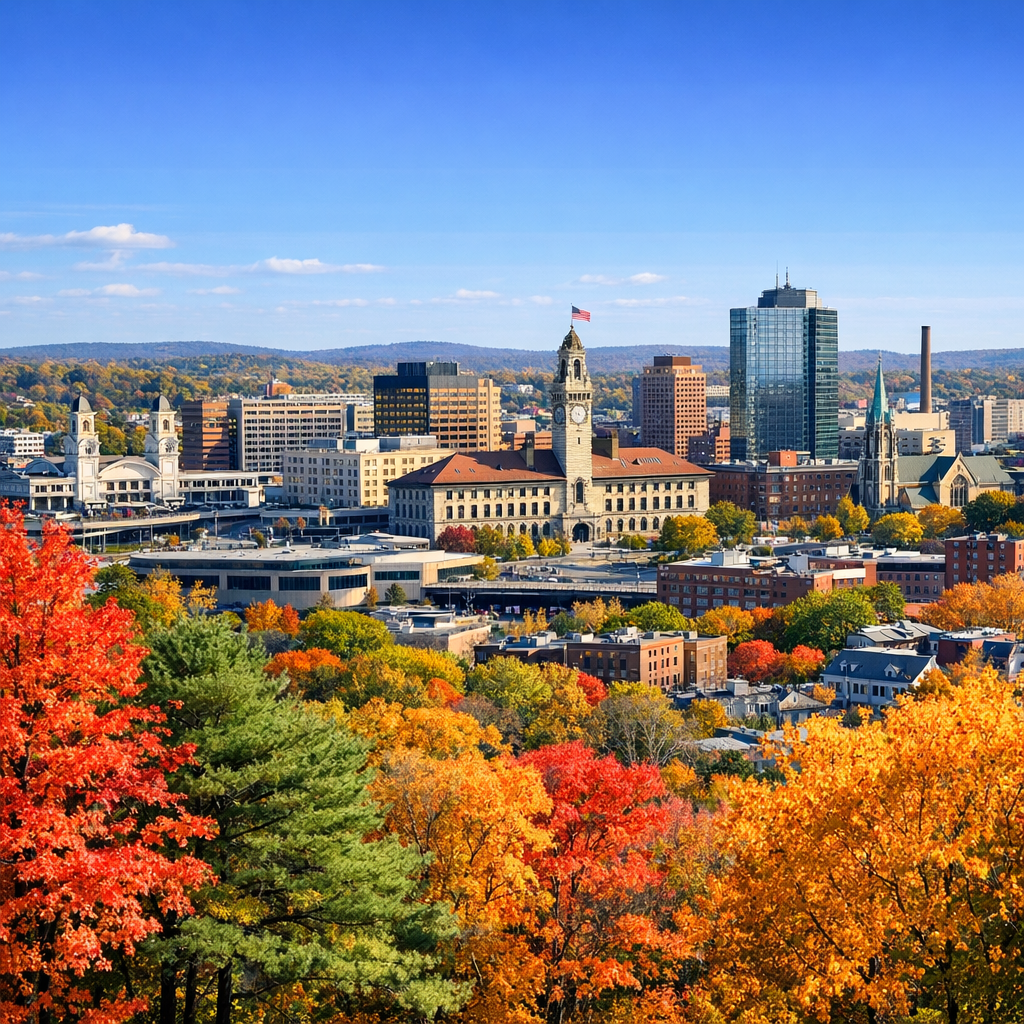
Worcester, Massachusetts, experiences a classic New England climate with four distinct seasons, each offering its own unique weather patterns and challenges. Understanding these seasonal shifts is essential for residents and visitors alike.
Spring: A Time of Renewal
Spring in Worcester, spanning March to May, brings a noticeable warming trend. Average temperatures rise from lows around 27.7°F (-2.4°C) in March to highs reaching 66.9°F (19.4°C) by May. This period also sees an increase in rainfall, with precipitation levels averaging 2.64 inches (67mm). The lengthening days, offering up to 14.6 hours of daylight, provide ample opportunity to enjoy the outdoors as nature awakens from winter’s grip.
Summer: Warm and Sunny
From June through August, Worcester experiences its warmest months. Temperatures can soar up to 81.1°F (27.3°C), with lows rarely dipping below 55°F (12.8°C). These months are characterized by abundant sunshine, with daily sunlight hours ranging between 9 to 10 hours. The reduced cloud cover during this season makes it ideal for outdoor activities and community events.
Autumn: Crisp and Colorful
Autumn ushers in a gradual cooling from the summer heat. Temperatures in this season vary from highs of 58.6°F (14.8°C) in September to lows around 34.2°F (1.2°C) by November. Rainfall remains steady, averaging between 1.69 inches (43mm) and 2.72 inches (69mm). The shorter days and cooler temperatures are accompanied by the vibrant fall foliage that New England is renowned for.
Winter: Cold and Snowy
December through February marks the coldest period in Worcester. Average low temperatures can plummet to 18.9°F (-7.3°C), with highs seldom exceeding 36.5°F (2.5°C). Snowfall is a common occurrence, averaging up to 6.06 inches (154mm) during these months. Despite the cold, winter offers its own charm, with snow-covered landscapes and winter sports opportunities.
Climate Change Impacts
Recent studies indicate that Worcester is experiencing the effects of climate change. Projections suggest an increase in the number of days with temperatures exceeding 90°F, intensifying urban heat and contributing to drought conditions. Additionally, winter precipitation is expected to increase by 30%, raising the potential for more severe ice storms and blizzards. Overall, Worcester is anticipated to become warmer and wetter by 2050, transforming the city’s climate landscape.
Understanding these seasonal patterns and the looming impacts of climate change is crucial for Worcester’s residents. Staying informed and prepared can help the community adapt to these changes and continue to thrive in the face of evolving weather conditions.